Troon Country Club's $4.3 Million Practice Upgrade: What Members Get This Winter
- •Troon Country Club in Scottsdale began a $4.3 million enhancement project on May 1, 2026, led by golf course architect Phil Smith.
- •It adds a 50,000 square foot short game area, a 12,500 square foot putting green and TrackMan technology on the range, and relines three ponds on holes 7, 8 and 9.
- •The range was set to reopen in early November 2026, with the putting green and short game areas due by December 1.
Winter is the season Scottsdale golf is built for, and members at Troon Country Club are about to see the payoff of a six month project that touches the part of the game most golfers practice least and need most. The club began a $4.3 million enhancement on May 1, 2026, and the schedule called for the new practice areas to be ready as peak season arrives.
Here is what changed, why it matters, and what it says about where private golf in north Scottsdale is heading.
The project at a glance
Troon Country Club hired golf course architect Phil Smith to lead the work. The scope falls into two parts.
A rebuilt practice facility. The centerpiece is a 50,000 square foot short game area, paired with a new 12,500 square foot putting green. The driving range adds TrackMan technology, the launch monitor system that measures ball speed, launch, spin and carry on every swing.
Water features on the course. The project also relines three water ponds on holes 7, 8 and 9. Together they hold about 3.5 million gallons.
The schedule ran about six months:
| Milestone | Timing | |---|---| | Project start | May 1, 2026 | | Practice range reopening | Early November 2026 (scheduled) | | New putting green and short game areas | By December 1, 2026 (scheduled) | | Total investment | $4.3 million |
Why a short game area this size matters
Most club practice facilities are built around the range. Scoring, though, happens inside 100 yards. A 50,000 square foot short game area gives members room to practice the shots that actually show up on a card: pitches from tight lies, bunker shots of different lengths, and chips to greens with real slope.
For a member who plays three or four times a week through the winter, a facility like this changes the routine. A warmup becomes a real practice session, and a lesson can move from the range to the exact shot a player struggles with.
Size also matters for the club as a whole. A larger short game area spreads members out on busy mornings, so a player working on bunker shots is not waiting on a group chipping to the same flag. It gives instructors space to run clinics without crowding members who want to practice on their own.
A bigger putting green, and why that counts
The 12,500 square foot putting green adds the same benefit on the greens. A larger surface means more hole locations, more breaks to read and less wear in one spot during busy months.
Putting practice is often the most social part of a club's day. Members gather there before a tee time, during a wait or after a round. A green with more room and more variety makes that time more useful: a player can practice long lag putts, short pressure putts and specific breaks, all in one session.
TrackMan on the range
TrackMan turns range time into data. Players see carry distance, spin and launch on every ball, which makes gapping a set of wedges or testing a new driver far more precise. It also supports better coaching, because a teaching professional can show a student the numbers behind a ball flight instead of describing it.
Here is how members tend to use launch monitor data:
- Distance gapping. Knowing the true carry of every club removes guesswork on approach shots.
- Equipment testing. Comparing a current club against a new one with real numbers, not feel alone.
- Lesson tracking. Seeing whether a swing change improves launch and spin over weeks, not just in one session.
- Wedge control. Dialing in partial wedge distances, which matter most for scoring.
For households that take their golf seriously, this is now a standard they expect at a private club.
Investing in the course itself
Relining ponds is not the most glamorous line item, yet it protects the course. Three ponds holding about 3.5 million gallons on holes 7, 8 and 9 are part of how a desert course manages water and how those holes look and play. Relining keeps that water where it belongs.
Work like this rarely makes headlines, but members notice the results over time. Water features that hold their level and look clean are part of what makes a course feel well cared for, round after round.
A club that keeps reinvesting
Garrett Wallace, the club's general manager, said total member investment at Troon Country Club now exceeds $30 million. That figure tells buyers something useful. A private club that keeps reinvesting is a club whose members are committed to its future, and that commitment tends to show up in course conditions, amenities and the community around it.
Reinvestment also shapes how a club competes for members. In a market with many private options, the clubs that keep improving practice facilities, technology and course care give members fresh reasons to stay and new members reasons to join.
How to get the most from a new practice facility
New facilities reward members who build a plan around them. A simple weekly structure many golfers find useful:
- One short game session. Spend it entirely inside 50 yards: pitching, chipping and bunker play, with a scoring game to finish.
- One putting session. Split time between lag putting and short putts, and track how many you hole from a set distance.
- One range session with data. Use launch monitor numbers to check gapping or work on one swing change.
- Play. Take what you practiced to the course and notice which shots improved.
Members working with a teaching professional can ask how the new areas fit into lessons, especially with the short game area and TrackMan available together.
What this means for buyers in north Scottsdale
Club investment is one of the quiet factors that shapes a golf neighborhood. When a club upgrades its practice facility and protects its course, the surrounding homes benefit from a stronger amenity and a club culture that values the game.
If you are weighing homes near Troon Country Club, ask about:
- Membership structure. Categories, availability and whether a waitlist applies.
- Capital plans. What the club has completed, what is planned next and how projects are funded.
- Practice access. Hours for the new short game area and putting green, and any rules during peak season.
- Instruction. Lesson programs and how the new facility is used for coaching.
Home values and membership costs in north Scottsdale vary widely by neighborhood, lot and club. Treat any figures you see as a range, and verify with a licensed real estate professional before making decisions.
Timing it with the winter season
The calendar for this project was built around Scottsdale's rhythm. Summer is the natural window for major work at a desert club, when play slows and the heat makes construction the better use of the property. Winter is when seasonal residents return, tee sheets fill and practice areas see their heaviest use.
Finishing the practice range in early November and the putting and short game areas by December 1 means members get the new facility for the stretch of the year when they use it most. For seasonal members arriving from colder markets, the first visit to the practice area this winter will look very different from the last.
Questions members can ask the club
Members who want to plan around the new facility may want to ask:
- Opening dates. Whether each area opened on schedule, and any grow-in rules for the new turf.
- Reservations. Whether short game or TrackMan bays require booking during peak hours.
- Programming. Clinics, short game schools or junior programs built around the new areas.
- Data access. Whether members can save or review TrackMan session data over time.
- Next projects. What the club's long-range plan includes after this phase.
Why practice facilities are now a selling point
A generation ago, a private club's practice area was often an afterthought: a range, a small putting green and a practice bunker. Today, serious golfers expect more. They want room to work on every part of the game, technology that shows them what is happening, and space for instruction.
That shift matters for buyers choosing a club community. When you compare clubs, the practice facility tells you how the club thinks about improvement and about the members who play most often. Troon Country Club's investment places its practice experience among the features members and prospective members will notice first.
The bigger picture
Across the Scottsdale area, private clubs are putting money into the experience members use every day: practice, technology and course care. Troon Country Club's project is a clear example. A season from now, a member's practice routine may look completely different, and that is the point.
We will update this story as the club confirms the new areas are open.
Source: Greater Phoenix In Business Magazine, June 17, 2026. Project timing was scheduled as of that report; confirm current status with the club.
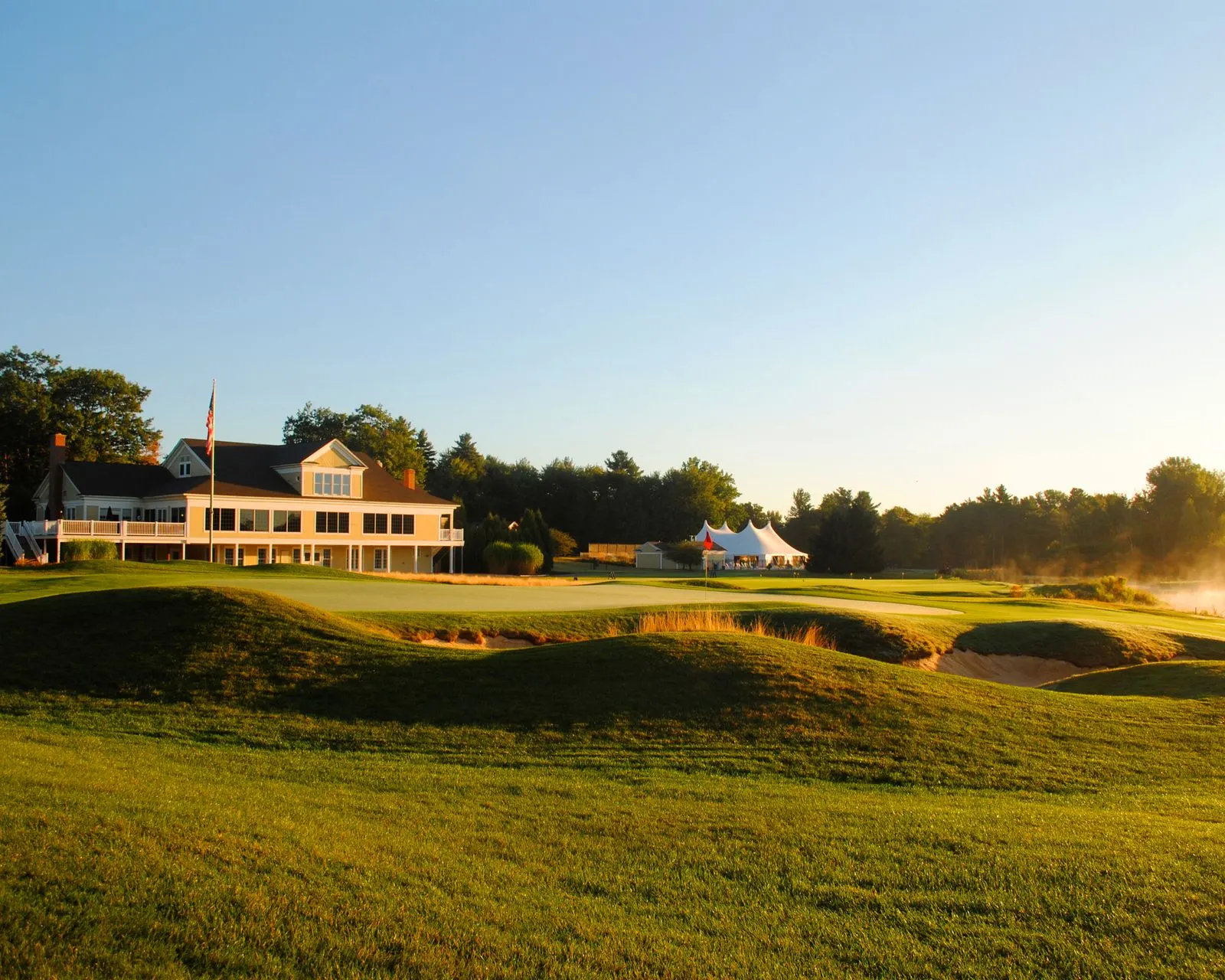
Cover photo: Troon Country Club, via Greater Phoenix In Business Magazine (June 17, 2026).
Figures are illustrative ranges compiled from public sources and change with the market. Verify current pricing, dues and fees with a licensed Arizona real estate professional or directly with the club.
Keep reading